



rolling mill second hand
Introduction to Cladding Rolling Mill Technology The Cladding Rolling Mill represents a breakthrough in metal bonding technology, offering a sustainable and efficient solution for producing high-quality bimetallic and trilayer materials. Developed by Beijing Yang Wang Li Xin Sci&Tech Co.,Ltd. , this technology addresses the limitations of traditional methods such as hot roll bonding cladding and explosive cladding . By leveraging cold rolling processes, the system ensures superior surface quality, energy efficiency, and cost-effectiveness, making it a preferred choice across industries like electronics, automotive, and chemical manufacturing. Technical Features of the Cladding Rolling Mill The Cladding Rolling Mill is engineered to deliver exceptional performance through its advanced technical specifications. Key features include: Superior Surface Quality : The cold rolling process eliminates oxide layers on the metal surface, eliminating the need for acid pickling treatments. This results in a clean, uniform finish ideal for applications requiring high aesthetic and functional standards. Energy Conservation : Unlike traditional methods that require reheating, the cladding rolling mill operates without preheating, significantly reducing energy consumption. This aligns with global sustainability goals and regulatory requirements for environmental protection. Simplified Production Process : The system streamlines operations into three main stages: surface preparation, bonding rolling, and annealing. This reduces production complexity, lowers costs, and increases yield rates to over 90%. Advantages Over Traditional Cladding Methods Compared to conventional techniques like hot roll bonding cladding , the Cladding Rolling Mill offers distinct advantages: Enhanced Efficiency : The streamlined process reduces production time and resource consumption, making it a cost-effective solution for manufacturers. Environmental Compliance : By eliminating acid pickling and reducing energy use, the technology meets stringent environmental regulations and supports green manufacturing initiatives. Flexibility in Material Combinations : The system can bond various metals, including copper-steel, aluminum-steel, and stainless steel-aluminum, enabling customization for diverse industrial needs. These benefits make the Cladding Rolling Mill a preferred choice for industries seeking sustainable and high-performance metal bonding solutions. Application Scenarios and Industry Impact The Cladding Rolling Mill is widely applicable across multiple sectors, including: Electronics : Produces high-conductivity copper-steel or aluminum-steel strips for circuit boards and heat sinks. Automotive : Supplies lightweight, corrosion-resistant materials for vehicle components and structural parts. Chemical Industry : Provides durable, non-reactive materials for storage tanks and piping systems. Construction : Offers decorative and functional cladding for architectural applications. The technology's ability to produce ultra-thin strips (as thin as 0.2mm) with high precision further expands its utility in advanced manufacturing. Company Background: Beijing Yang Wang Li Xin Sci&Tech Co.,Ltd. Beijing Yang Wang Li Xin Sci&Tech Co.,Ltd. is a leading innovator in metal processing technology, dedicated to developing cutting-edge solutions for global industries. With a focus on roll bonding cladding and hot roll bonding cladding , the company has pioneered cold rolling techniques that combine global expertise with local manufacturing excellence. Their state-of-the-art equipment and R&D capabilities ensure compliance with international standards, as highlighted by the National Institute of Standards and Technology (NIST) guidelines on sustainable manufacturing practices. Product Specifications Table Parameter Details Process Phases Surface treatment, bonding rolling, annealing Yield Rate Over 90% Energy Consumption Low, no preheating required Material Compatibility Copper-steel, aluminum-steel, stainless steel-aluminum, etc. Thickness Range 0.2mm to 1000mm width Environmental Compliance Meets energy-saving and emission-reduction standards Conclusion: The Future of Metal Bonding The Cladding Rolling Mill by Beijing Yang Wang Li Xin Sci&Tech Co.,Ltd. sets a new benchmark in metal bonding technology. Its combination of energy efficiency, surface quality, and versatility positions it as a critical tool for modern manufacturing. As industries increasingly prioritize sustainability and innovation, this technology is poised to drive growth and transformation across sectors. References National Institute of Standards and Technology (NIST) provides authoritative guidelines on manufacturing standards and sustainability practices. For further information on industry benchmarks, visit NIST's official website .

We have successfully executed over 500
projects around the world,
many first-of-their-kind
research projects and products in China, including
We have successfully executed over 500
projects around the world,
many first-of-their-kind
research projects and products in China, including
-
2004
The 1st hydraulic AGC system for hot rolling of ribbon steel
-
2006
The 1st AFC system used for 1450mm skin pass mill
-
2009
The 1st 5-stand tandem line with 2-stand POR & Uncoiler for 650mm ribbon steel
-
2012
The 1st reversing mill for 1380mm strip
-
2016
The 1st soft-rolling system used in skin pass mill
-
2019
The 1st fully automated medium-width tandem cold rolling mill
-
2021
The 1st 5000KN Twin-stand double skin pass mill
-
2022
The 1st coupled pickling line & tandem cold mill with two modes - big roller & small roller
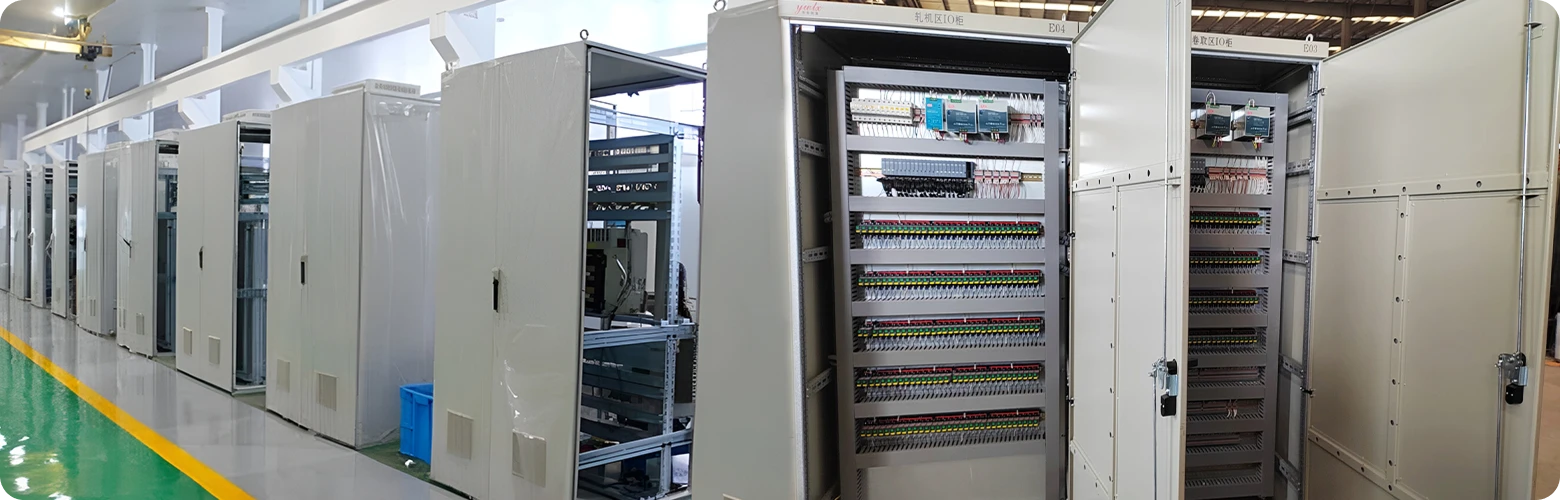
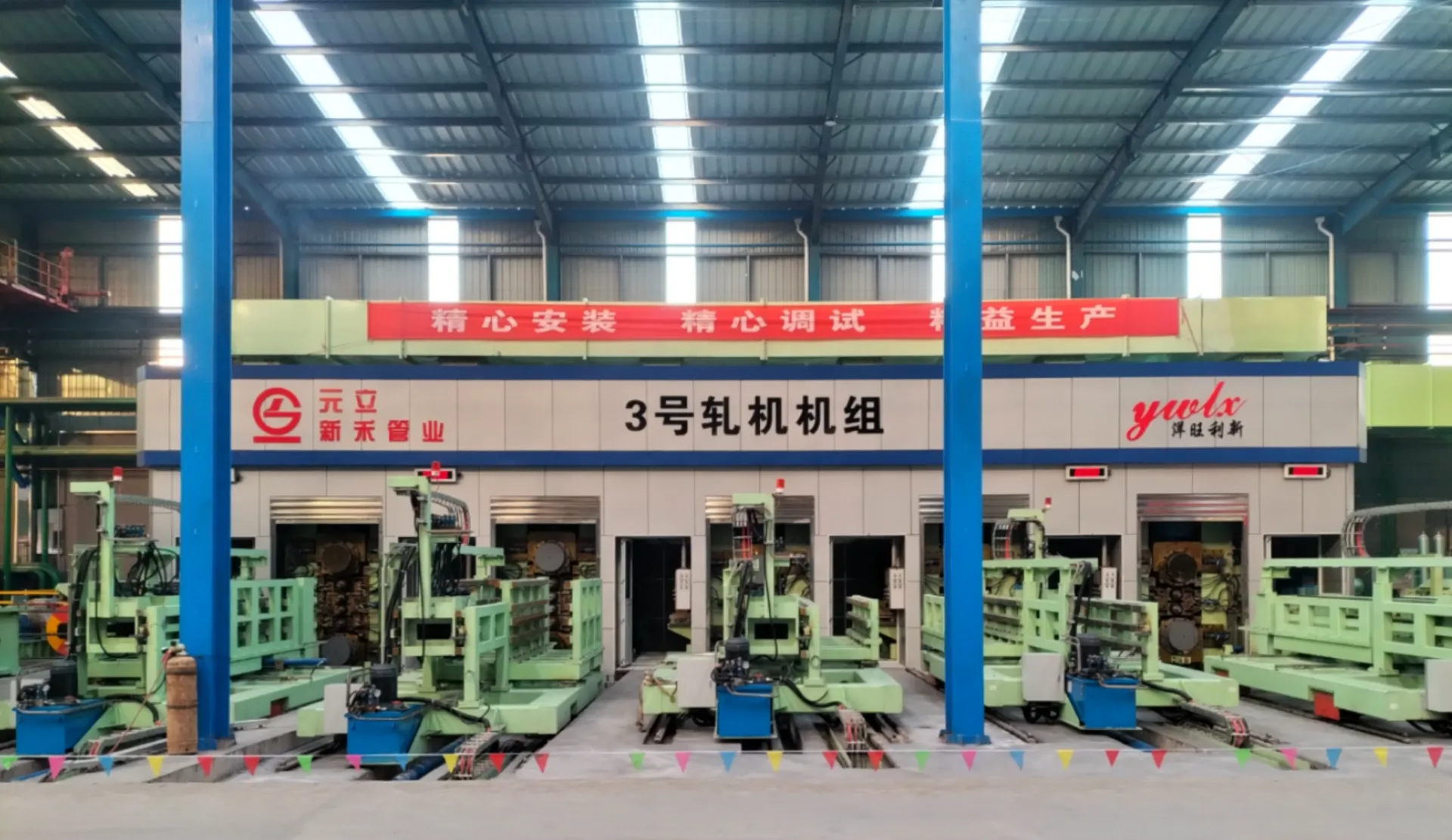
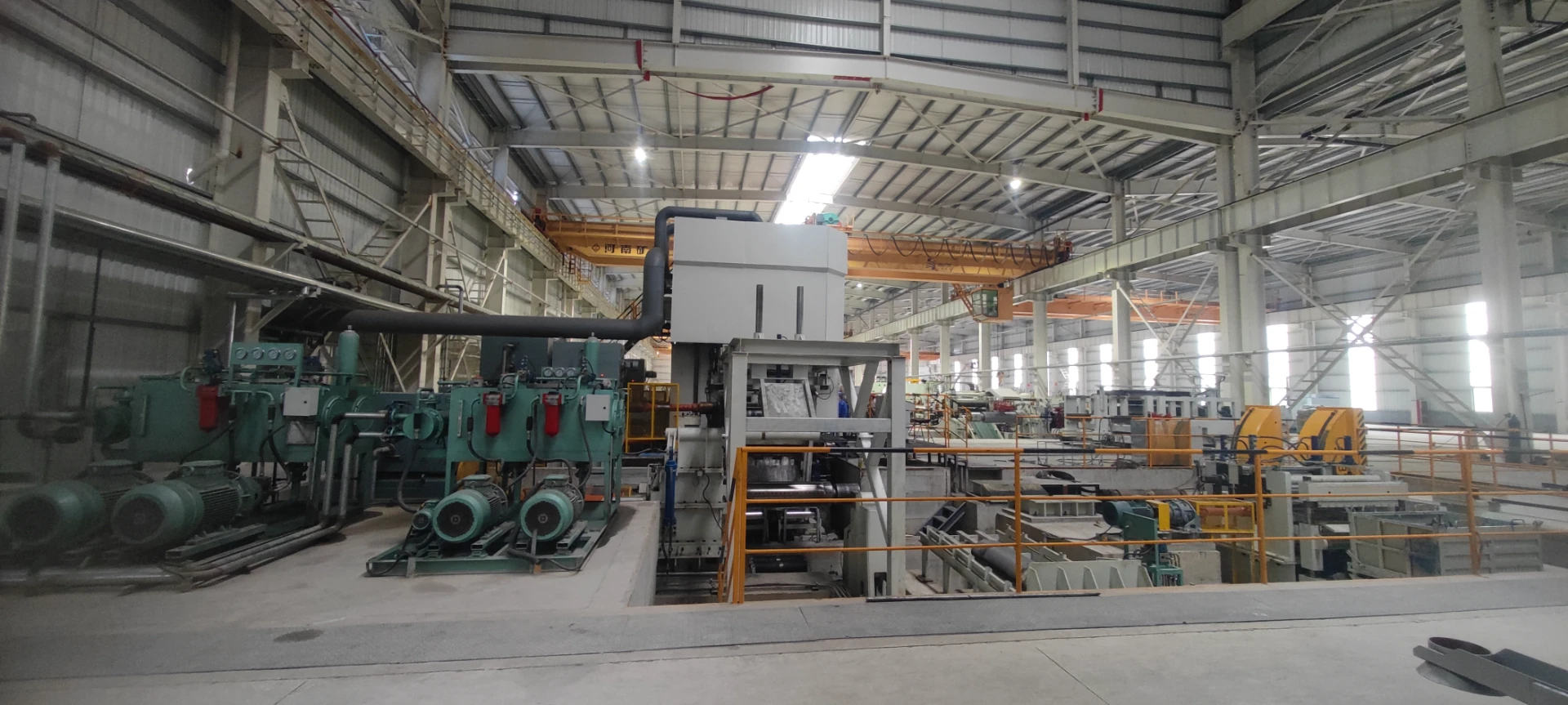
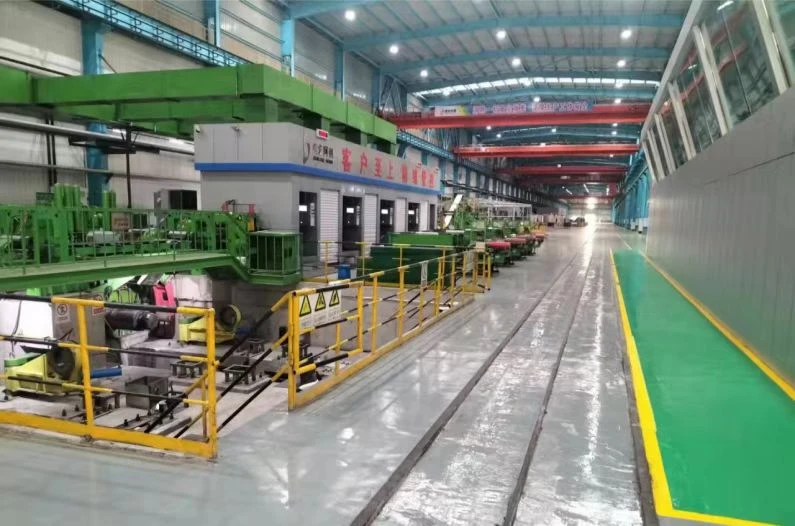
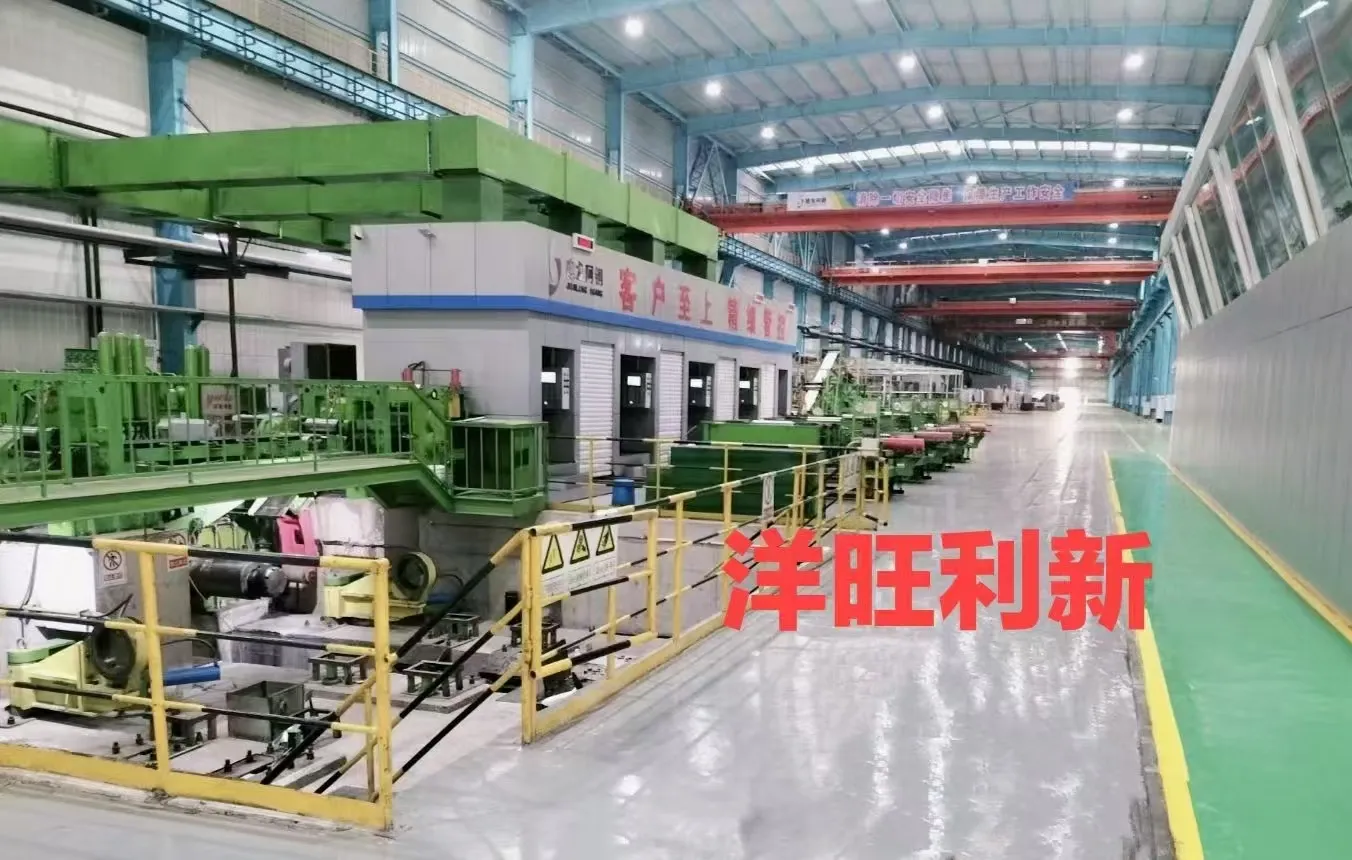
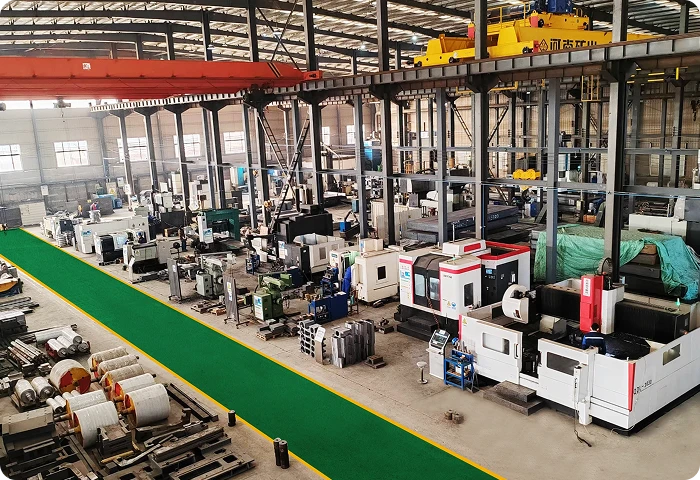
Yang Wang Li Xin operates a state-of-the-art facility over 66,000 square meters,and our manufacturing facility is fully equipped with high-tech machinery and high-capacity cranes. This enables us to handle large work pieces measuring 4.5m in width, 10m in length, and 1.5m in height, guaranteeing our capacity to produce 1800mm skin-pass mills and 1450mm rolling mills. The individual piece can weigh up to 100 tons.

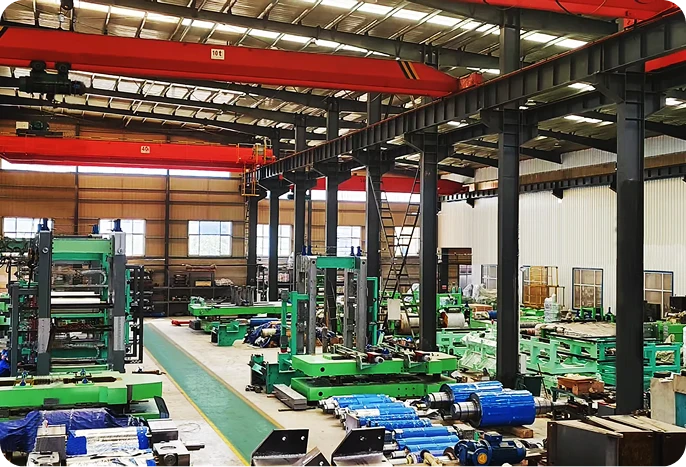

Quality is fundamental to the enterprise survival. We have established a comprehensive and meticulous quality management system and have successfully obtained ISO14000 certification. Starting from the design source, it supervises the entire production cycle, including design, procurement, processing, assembly, in-factory testing, installation, and online commissioning. The workshop is equipped with measuring tools like vernier calipers, spectrometers, hardness testers, and ultrasonic flaw detectors. They are used to check materials and control tolerances to ensure the final equipment meets or exceeds requirements. All products have a unique code, This enables the easy identification and traceability of the equipment components and ensures full control of quality.


-
 housingless rolling millHousingless rolling mills represent a groundbreaking innovation in the metallurgy industry , revolutionizing how businesses approach and manage the rolling process. This state-of-the-art technology is gaining traction for its efficiency, adaptability, and cost-effectiveness, positioning it as a cornerstone in modern steel production. Experience plays a crucial role in the successful implementation
 -
 مطاحن مخصصةWhen it comes to specialized grain mills, the importance of understanding their intricacies, advantages, and applications cannot be overstated. In an age where health consciousness and culinary creativity are at the forefront, finding the right milling equipment tailored to specific needs becomes essential. Grain mills, especially customized ones, offer unparalleled flexibility and control over th
 -
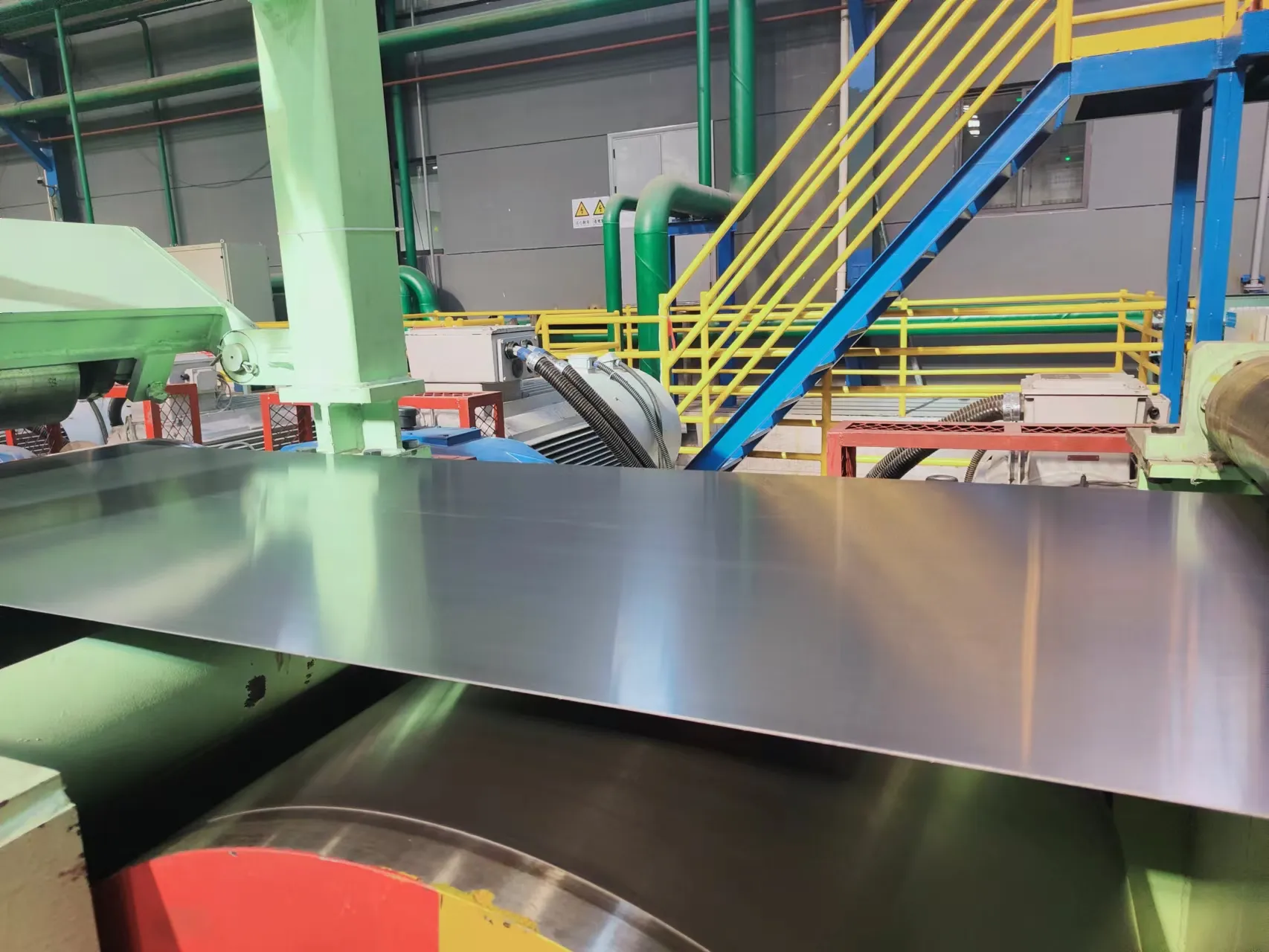
 Precision Texturing in Skin Pass Rolling: Optimizing Surface Characteristics for Superior PaintabilityThe skin pass mill serves as the final arbiter of surface quality in modern steel production, where microscopic texture characteristics determine macroscopic paint performance. This critical finishing process, technically referred to as skin pass rolling , transforms flat-rolled steel into a substrate ideally prepared for coating applications. Contemporary skin pass mill configurations integrate a


